Home Blog Page 2

How Social Media Posts Are Quietly Destroying Personal Injury Claims

0

Social media feels harmless, especially after an accident when friends and family want updates. Still, for injured people in Indianapolis, online activity can quietly undermine a personal injury claim before it ever reaches a courtroom. Insurance companies and defense teams routinely monitor posts, photos, comments, and even location check-ins. What feels like casual sharing can be used to question injuries, timelines, or credibility, often without the injured person realizing the damage until it is already done.
In personal injury law, evidence matters, and social media is among the most commonly used tools to challenge injury claims. Even posts that seem unrelated to the accident can be taken out of context and used against you. Many people do not realize how quickly insurers begin monitoring activity after a claim is filed, which is why early guidance from an Indianapolis personal injury lawyer can make a meaningful difference.
These risks are prevalent in premises cases, where insurers look for any sign that an injured person remained active after an incident. In a slip and fall case, a single photo or location tag can be used to argue that injuries were minor or short-lived. Vaughn A. Wamsley frequently sees otherwise strong claims weakened by online activity that could have been avoided with better awareness early on.

Why insurance companies monitor social media after an injury

Insurance companies handling injury claims in Indiana look for ways to reduce what they pay out. Along with police reports and medical records, they routinely search social media for content that can be used to dispute injuries or damages. This monitoring often begins within days of a claim being reported.
Insurers typically review social media to:
• Look for photos or videos that appear inconsistent with claimed injuries
• Identify statements that conflict with medical records
• Suggest physical ability beyond reported limitations
• Question emotional distress or pain levels
For accidents on Indianapolis roadways such as I-465, I-70, or U.S. 31, social media monitoring is often built into the initial claim evaluation process.

How innocent posts are misinterpreted

One of the biggest dangers of social media evidence is how easily posts can be misunderstood. A single image or comment rarely reflects the full physical or emotional impact of an injury.
Smiling photos at family gatherings, brief comments about having a good day, or reposted memories can all be misused. These posts do not show pain levels, medication use, or the recovery setbacks that often happen later in the day. However, insurers may still present them as proof that injuries are exaggerated.

Why timing matters more than most people think

The timing of a post can be just as damaging as its content. Immediately after an accident, adrenaline often masks symptoms, leading people to downplay injuries before they fully appear.
Problematic timing often includes:
• Posting on the day of the accident before medical evaluation
• Sharing updates before symptoms fully develop
• Posting during gaps in treatment
In Marion County, emergency departments frequently advise patients to monitor symptoms over time. Early posts suggesting you are fine can later be used to argue that the incident did not cause injuries.

Photos and videos can overshadow medical records.

Visual content carries significant weight in injury claims. A single image can be replayed repeatedly to suggest physical ability, even when it tells only part of the story.
Photos showing attendance at social events, walking without visible assistance, or lifting light objects are commonly cited by insurers. These images rarely show the pain, stiffness, or recovery time that follows, but insurance companies often focus on what is visible rather than what is medically documented.

Location tags and digital activity trails

Many people forget that phones and apps automatically track movement. Location tags and activity data can be used to argue that an injured person remained mobile or active.
Check-ins at stores or restaurants, ride-share usage, or fitness app data are often reviewed. For someone injured at a downtown Indianapolis business, this information may be used to argue that daily activities were not significantly limited.

Why private profiles are not fully protected

Setting accounts to private helps, but it does not guarantee protection. Content can still appear through tagged photos, shared posts, or discovery requests during litigation.
Even deleting posts can raise issues if it appears selective or sudden. Indiana courts may allow relevant social media content to be requested if it relates to claimed injuries or physical limitations.

How social media affects credibility in injury claims

Credibility plays a central role in personal injury cases. Consistency between medical records, personal statements, and online behavior matters.
Issues often arise from comments that minimize pain, jokes taken literally, or posts that appear inconsistent with medical restrictions. Once credibility is questioned, insurance companies may delay negotiations or reduce settlement offers, increasing the likelihood of litigation in Marion Superior Court.

Practical steps injured people should take immediately

Protecting a claim does not require abandoning social media entirely, but it does require caution.
Recommended steps include:
• Avoid posting about the accident or injuries
• Pause sharing photos and videos during early recovery
• Disable location tagging when possible
• Ask friends not to tag you
These steps are essential during the early weeks of a claim, when insurers are actively gathering information.

If damaging posts already exist

If posts are already online, deleting them without guidance can create additional problems. Sudden removal may raise suspicion or claims that evidence was hidden.
A safer approach is to stop posting, preserve existing content, and avoid editing captions or comments. This helps prevent further harm while allowing context to be addressed appropriately if needed.

Medical documentation remains critical.

Strong medical records are often the best defense against misleading social media evidence. Consistent treatment and clear documentation help establish the actual impact of an injury.
Essential records include emergency room evaluations, follow-up appointments, physical therapy notes, and work restriction documentation. Indianapolis insurance adjusters frequently compare these records to online activity during claim evaluations.

Local court considerations in Indianapolis

Marion County courts increasingly see social media introduced during depositions and trials. Judges focus on relevance, but once admitted, posts can influence settlement discussions and trial outcomes.
Social media evidence is often used to challenge testimony, dispute damages, or support surveillance arguments, making online caution especially important.

Why early guidance makes a difference

Many social media mistakes happen before people realize they have a viable claim. Early awareness helps prevent irreversible damage and reduces stress during recovery.
Early guidance helps injured individuals manage online activity, preserve credibility, and align medical timelines with real-world limitations. Vaughn A. Wamsley works with injured people throughout Indianapolis to help them avoid these common pitfalls.
Social media is part of everyday life, but after an injury, it can quietly shape the outcome of a claim. Being cautious online protects both your recovery and your case. If you have concerns about how online activity could affect your situation, speaking with an Indianapolis personal injury lawyer about your slip and fall case can help you move forward with clarity and confidence.


Social Media Use by Public Servants

0

Public servants ke upar conduct rules apply hote hain jo political neutrality, discipline, and integrity demand karte hain. Social media ne problem new create kar di – personal vs official identity blur ho jata hai.

Rules typically kehte hain:

  • Government policies ka openly criticism avoid karo,
  • Secret info leak mat karo,
  • Political party propaganda se door raho (at least official capacity me),
  • Hate speech, abusive content bilkul nahi.

Kayi baar tweets, FB posts, YouTube comments bhi departmental enquiries aur disciplinary action ka base ban chuke hain. “Personal opinion only” likh dena har baar shield nahi hota, specially jab profile clearly govt post show karti ho.

Public servants ko digital footprint consciously manage karna padta hai – dignity aur neutrality dono ko guard karte hue. Freedom of expression ka right hai, lekin service discipline ka framework bhi parallel reality hai.

Confidentiality After Retirement from Government Service

0

Government employees apni service ke dauran sensitive information handle karte hain – policy drafts, investigation reports, security inputs, tender details. Retirement ke baad bhi unpe confidentiality obligations rehte hain, specially classified info ke case me.

Service rules, Official Secrets-type laws, and sometimes specific NDAs unhe restricted rakhte hain:

  • Certain documents publish nahi kar sakte,
  • Media interviews me specific internal details share nahi kar sakte,
  • Consulting roles me conflict-of-interest avoid karna hota hai.

At the same time, generic experience, publicly known facts, aur legitimate whistleblowing (proper channels se) completely banned nahi. Line yahi hai ki public interest aur confidentiality breach ka balance kaise strike hota hai.

Retired officers ke liye safe route: sensitive, security-related, or still-live matters pe commentary se pehle legal position clear samajh lena.

Fixed-Term Government Contracts

0

Aaj kal government aur PSUs me bohot saare roles fixed-term contracts pe fill hote hain – 1, 2, 3 saal ke liye. Log assume kar lete hain ki ye permanent job jaisa hai, bas naam alag hai, aur later regularisation ho jayegi. Law generally aisa guarantee nahi deta.

Contract expiry pe automatic renewal right nahi hota, jab tak contract ya policy explicitly na bole. Early termination ke liye bhi clauses hote hain – performance issues, misconduct, project closure, etc.

Employees phir bhi kuch basic rights retain karte hain – wages for work done, non-discriminatory treatment, safe working conditions, and in some cases, challenge to arbitrary non-renewal if mala fide proof ho.

Contract sign karte waqt termination, renewal conditions, benefits (PF, leaves, gratuity applicability), and dispute forum clear dekh lena long-term surprises se bachata hai.

Agricultural Land Conversion

0

Agricultural land ko directly factory, resort, warehouse ya housing project me change nahi kiya ja sakta. Most places me land use conversion ke strict rules hote hain – planning authority ka permission, fees, compliance with master plan, etc.

Conversion ke bina construction start karna illegal structure aur demolition risk create karta hai. Plus, loan, sale, ya project approvals me bhi problem aati hai.

Process slow ho sakta hai – revenue records update, neighbour objections, environmental conditions, infrastructure capacity evaluation. Shortcut route – “sab log aise hi kar rahe hain” – kabhi-kabhi initial years me chal jata hai, par first complaint ya political change ke baad heavy enforcement aa sakta hai.

Investors ko cheap “agricultural plots” bechne wale brokers se extra cautious rehna chahiye. Conversion practicality, time, and total cost realistically calculate karke hi decision lena safe hai.

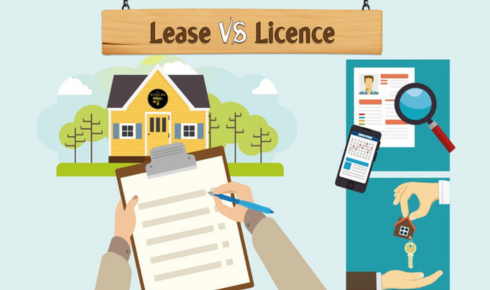
 Lease vs Licence: Tenant ya Sirf Guest?

0

Contract me words likh dena “licence” itna hi kaafi nahi hota. Court dekhti hai actual relationship kya hai – exclusive possession, duration, control, and rent vs service nature.

Lease usually tenant ko stronger rights deta hai – possession ka right, eviction ke liye proper legal process, sometimes rent control benefits. Licence me occupant technically host ki permission se temporary use kar raha hota hai; host kabhi-kabhi easier way se terminate kar sakta hai.

Landlords kabhi licence word use karke rent control se bachne ki koshish karte hain, par agar facts leased-type hain, to label se kaam nahi chalega.

Tenants/occupants ko agreement sign karte waqt – lock-in, termination, notice period, and dispute forum – ko dhyan se padhna chahiye. Paper pe apni position samajhna hi first step hai apne rights protect karne ka.

Redevelopment of Old Buildings

0

Sheheron me purani societies aur buildings ka redevelopment hot project hota hai. Flat owners better structure, extra carpet area, amenities and corpus fund chahte hain; developers land potential dekhte hain.

Process tricky hai:

  • Majority consent threshold,
  • Transparent tendering and builder selection,
  • Development agreement terms – timelines, rent for temporary accommodation, transit camp,
  • Bank guarantees, insurance, quality standards.

Flat owners ko sirf brochure aur presentation pe nahi, agreement clauses, track record, aur RERA-type registrations pe focus karna chahiye. Delay, insolvency, ya design compromise ka risk real hota hai.

Redevelopment agar thoughtfully planned ho, to area ka complete look, safety, and property values upgrade ho sakte hain. Agar sirf short-term cash aur free area ke chakkar me decision liya gaya, to decades ka asset risk me aa sakta hai.

Loan Agreements Between Friends and Family

0

Dost ya relative ko loan dena emotionally tricky aur legally sensitive combo hai. Jab sab theek ho, paper ki zaroorat nahi lagti; jab relation kharab ho jaye, sabse pehle yahi pucha jata hai “proof kya hai?”

Safest approach:

  • Simple written loan agreement – amount, interest (ya interest-free), repayment schedule, mode,
  • Bank transfer ya digital payment, cash avoid karein,
  • Acknowledgement receipts,
  • Witness signature helpful.

Overly formal document kabhi-kabhi relation ko awkward bana sakta hai, lekin bilkul informal arrangement future me misunderstanding ka breeding ground hai.

Agar borrower genuine difficulty face kar raha hai, to timeline modification likhit me bhi record ho sakta hai. Ye baad me court me fairness show karta hai.

Loan, gift aur investment teen alag cheezein hain; shuru me hi clarity rakhna best hai.

Cookie Policies and Consent Banners

0

Website kholte hi “We use cookies” ka banner dikhta hai, log reflex se “Accept” dabaa dete hain. Lekin legal view se cookie policy kaafi serious document hai – yeh define karta hai ki user ke device me kya track hoga, kaise aur kis purpose se.

Best practice:

  • Clear categorisation – necessary, analytics, advertising, functional cookies,
  • User ko choice dena – all accept, all reject, ya granular settings,
  • Simple explanation, tech jargon kam,
  • Easy withdrawal of consent,
  • Third-party trackers ka disclosure.

EU-level standards ne duniya bhar me cookie consent ko tighten kar diya hai. Dark patterns – jahan “accept” button bada, “settings” microscopic – gradually scrutiny me aa rahe hain.

Website owners ke liye compliance sirf fear-based nahi; transparent data practices long-term trust build karte hain. Users ke liye bhi time-to-time cookies clean karna aur preferences reset karna healthy habit hai.

Franchise Agreements: Dono Side Ko Kaise Protect Karein

0

Franchise model me brand owner (franchisor) apna name, system, and products kisi franchisee ko use karne deta hai – fee aur revenue share ke badle. Paper pe simple lagta hai, ground pe thousands of crores ka risk hota hai.

Good franchise agreement ke pillars:

  • Clear territorial rights, exclusivity ya non-exclusivity,
  • Brand standards, training, inspections,
  • Fee structure – upfront, royalty, marketing contributions,
  • Supply chain obligations – approved vendors, pricing, logistics,
  • IP protection and misuse consequences,
  • Termination, renewal, and post-termination non-compete.

Franchisee ko financial projections critically dekhne chahiye – sab brochure promises legally binding nahi hote. Franchisor ko quality and reputation guard karni hoti hai; ek bad franchise outlet complete brand ko damage kar sakta hai.

Signing se pehle independent legal and business due diligence karna sabke interest me hai. Pure trust pe multi-year commitment dangerous ho sakta hai.